
Optimize Fiscal Year Planning
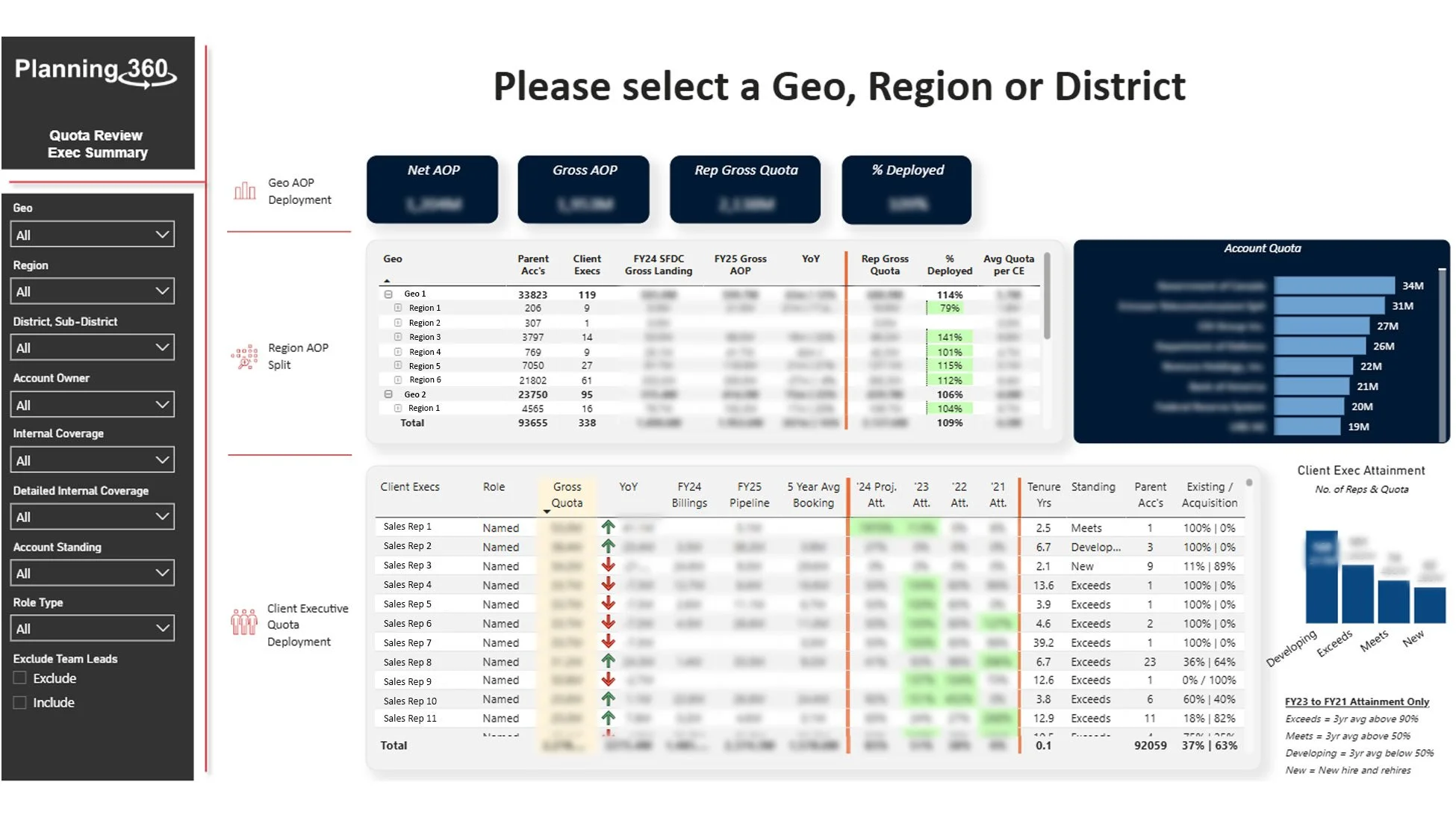
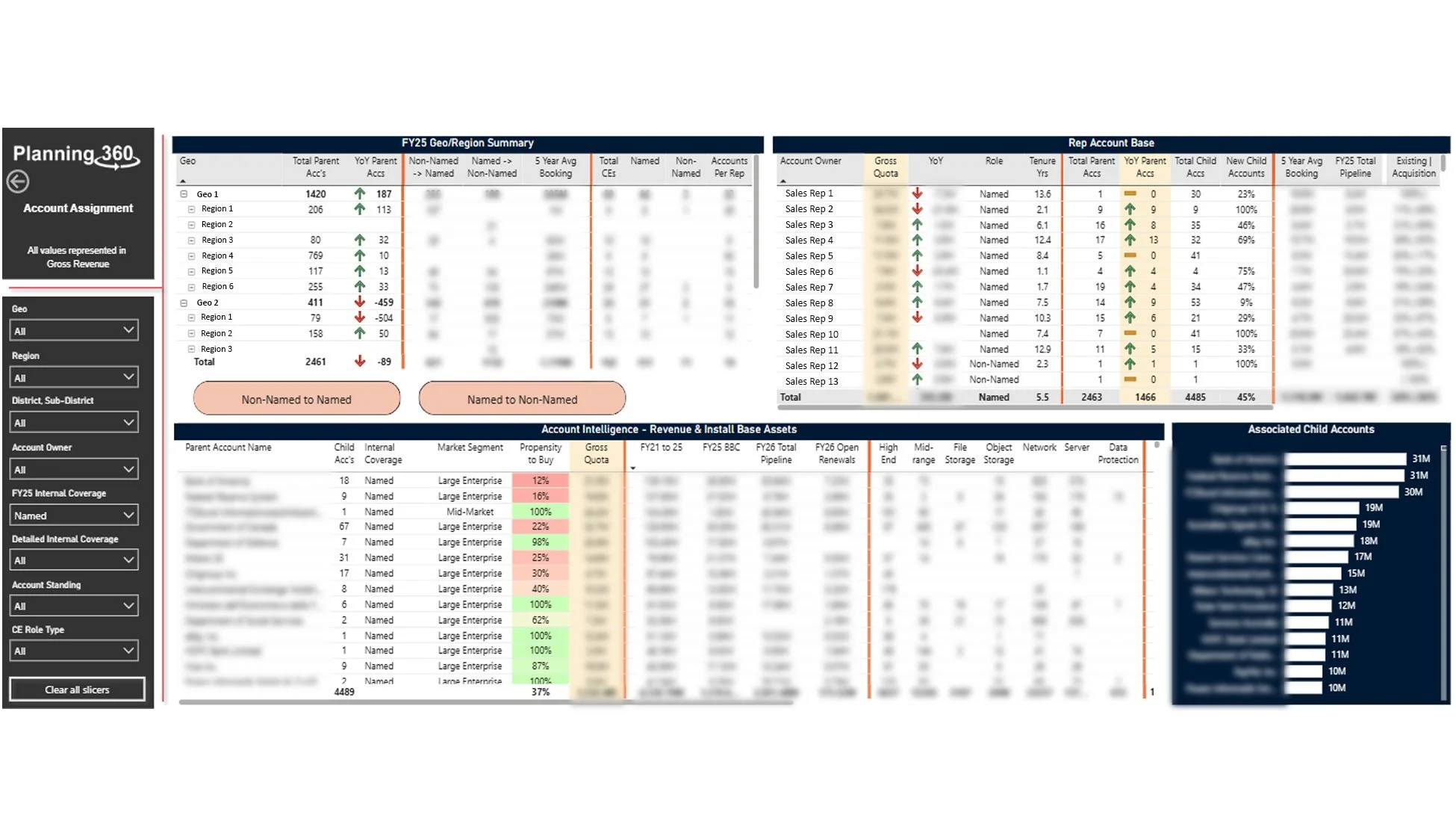
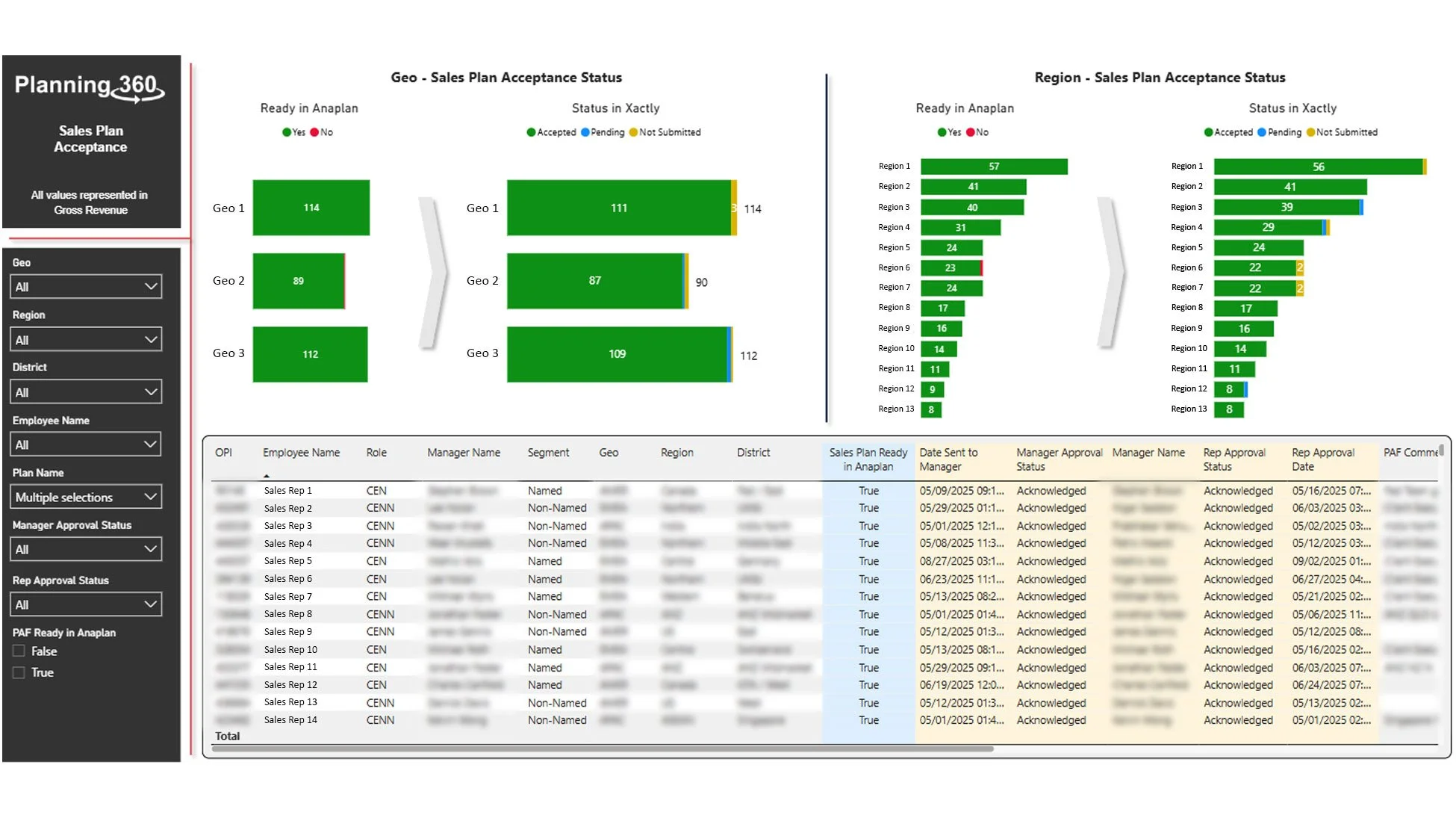
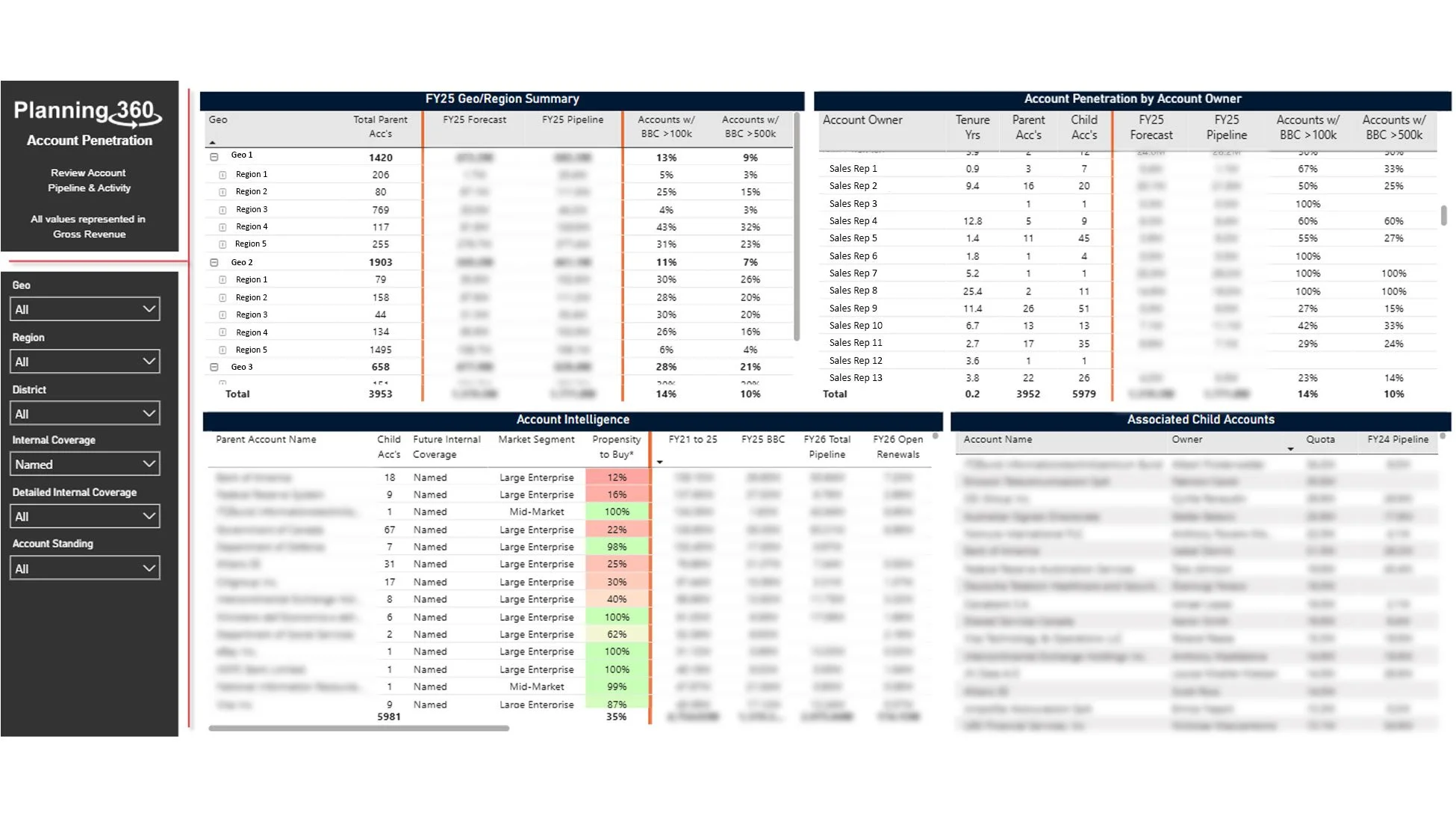
Why and How Planning 360 Was Born
Annual planning is one of the most important processes in any organisation.
It determines where we invest, how we allocate headcount, which markets we prioritise and what targets we set. Yet historically, our planning process was built on spreadsheets, manual consolidations and assumptions that were rarely backed by data.
The result was predictable:
Spreadsheet chaos
Bottom-up vs top-down misalignment
Separate regional assumptions
Long email chains
Decisions influenced more by narrative than evidence
In 2021, during a particularly challenging planning cycle, it became clear that we needed a fundamentally different approach.
That was the turning point.
What Was Broken
Prior to Planning 360, fiscal planning relied on static Excel models built independently by each region. Every geography had its own assumptions, its own view of performance, and its own interpretation of the data.
There was:
no version control
slow iteration cycles
limited transparency
no direct linkage to historical performance
The most common — and most difficult — question in planning sessions was:
“What data underpins this decision?”
Whether it was segmentation changes, headcount allocation, or country-level targets, the answer was often based on experience or gut feel rather than quantifiable evidence.
That’s not scalable.
And it’s not sustainable.
My Role in Building It
I stepped into multiple roles throughout this initiative:
Designer
Architect
Translator between Finance and Sales
I had access to historical revenue, pipeline and performance data, along with a deep understanding of forecasting and company trends. I could see that we had everything required to improve planning — it just needed to be structured and unified.
Unlike my other tools, this didn’t evolve from an operational gap. It was born directly from a leadership need: the difficulty of consolidating global data and gaining a unified view of the business during planning season.
So I built the framework.
The Key Insight
The breakthrough realisation was this:
Planning should be scenario-based, transparent, and grounded in historical performance.
Most companies overweight assumptions during annual planning. Targets are set based on optimism, pressure, or precedent rather than data.
Planning 360 was designed to:
make assumptions visible
anchor targets in historical trends
enable scenario modelling
provide one consistent global lens
Spreadsheets couldn’t handle the scale or complexity of the data required. More importantly, they allowed each region to subtly adjust narratives to suit local positioning.
We needed one source of truth.
How Planning 360 Was Built
Planning 360 was built in response to leadership demand for clarity and alignment.
The core design principles were:
Transparency – assumptions are visible and measurable
Flexibility – leaders can test different scenarios
Scenario modelling – not just one static target
Alignment to strategy – metrics tied directly to company goals
We didn’t deliberately exclude areas. The goal was to empower users with as much relevant data as possible so decisions could be made from a position of fact, not intuition.
What Makes Planning 360 Different
In one sentence:
Planning 360 backs field-driven assumptions with data and creates a unified, scenario-based approach to fiscal year planning.
It changes the nature of planning conversations.
Instead of debating opinions, we can now quantify:
Whether headcount allocation per country makes sense
ROI per sales rep
Pipeline conversion requirements
Revenue expectations based on historical trends
Capacity gaps
Targeted footprint expansion opportunities
The most powerful capabilities include:
Scenario modelling
ROI analysis
Linking historical revenue trends
Connecting pipeline conversion to target setting
Planning moved from negotiation to analysis.
The Impact
The impact was immediate.
As a company, we began having more informed, data-driven conversations. Strategy discussions became grounded in evidence rather than instinct.
Tangible improvements included:
Reduced back-and-forth between regions and global leadership
Greater alignment across geographies
Clearer justification for investment decisions
One of the most important outcomes was cultural. Leaders began asking harder questions — and the data allowed us to answer them.
Rather than suppressing intuition, the tool quantified it.
The Bigger Vision
Planning 360 ultimately exists to strengthen strategy with evidence.
It ensures that go-to-market decisions — territory segmentation, headcount allocation, growth expectations — are built on facts rather than hunches.
It fits directly into my broader philosophy:
Critical business decisions should be grounded in historical evidence, scenario modelling and measurable assumptions.
As the business evolves, so will Planning 360. The next phase is incorporating external signals, such as technographic data, to strengthen market opportunity modelling even further.
Annual planning should not be an exercise in persuasion.
It should be an exercise in clarity.